
Preparing your plumbing for a Forney summer: leaks to watch for
Forney summers push your plumbing to its limit. Here are the leaks we see most from May through September, and how to catch them before they cost you.
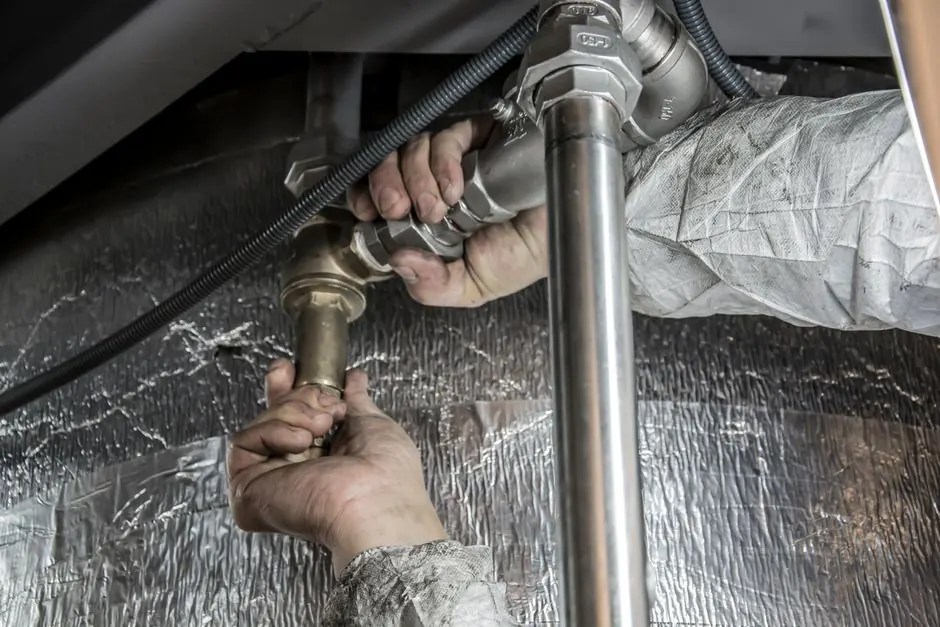
The short answer: preparing your plumbing for a Forney TX summer means pressure-testing the irrigation system, watching your water meter for phantom flow, and knowing the four leak types that heat actually makes worse - slab, hose bib, water heater, and pool. Forney summers run hot and dry, and that combination finds every weak joint in your system.
We are Forney Leak Detection Experts, and from May through September our call volume roughly doubles. This post walks through what fails, why it fails here specifically, and the checks you can do yourself before you ever pick up the phone.
Why Forney summers are hard on plumbing
Forney sits on expansive clay soil, and that clay does two things every summer that wreck plumbing: it shrinks when it dries and it swells when it finally rains. That cycle moves the ground under your slab and your buried lines, and movement is what opens joints.
Add sustained stretches above 100°F and you get a second problem. Supply lines sitting in attic space or shallow trenches heat up, and the thermal expansion puts stress on every fitting. By August, a pinhole that started in June is a steady drip.
We also see the pressure side of it. Forney's municipal supply runs higher in summer because of irrigation demand across the city, and higher line pressure pushes marginal fittings past their limit. A house that held fine all winter at 60 psi can start weeping at 85 psi.
If you want the full picture of what we look at on a first visit, our Leak Detection Forney, TX page covers the equipment and the process.
What leaks should you watch for in a Forney summer?
The leaks that show up in a Forney summer cluster into four categories, and each one has a tell you can spot without tools.
Slab leaks
A slab leak is a water line failure beneath your foundation. The tell is a warm spot on the floor - sometimes a 2- to 4-foot patch that feels noticeably warmer than the surrounding tile - paired with a water bill that jumps 20% or more with no change in habits. You may also hear a faint hiss when the house is quiet.
Clay movement is the usual culprit here, and it is why slab issues spike in Forney from July through September. We run slab leak detection Forney TX with acoustic and thermal gear so we can pinpoint the break before anyone cuts concrete.
Hose bib and outdoor spigot leaks
Every summer, spigots get used hard and the washer inside dries out. A slow drip at the bib wastes 15 to 20 gallons a day and quietly rots the siding behind it. Check each spigot with the hose disconnected and the valve fully closed.
Water heater failures
Water heaters work harder in summer because incoming water is warmer and the tank cycles more. A tank that is 8 to 12 years old is on borrowed time, and the failure mode is usually a puddle at the base or rust-colored water at the tap. If you see either, shut the gas or breaker off and call.
Pool and pool equipment leaks
Losing more than a quarter inch of water a day in a Forney pool is a leak, not evaporation. The pump, the filter housing, and the underground return lines are the usual suspects, and they get worse as the ground dries and shifts.
How do you prepare your plumbing for summer in Forney TX?
You prepare your plumbing for summer in Forney TX by running a five-step check in late April or early May, before the first 100°F week hits. Here is the sequence we recommend to every homeowner.
- Read the meter with everything off. Shut off every fixture, the irrigation controller, and the ice maker. Note the reading, wait two hours, read again. Any movement means water is escaping somewhere.
- Walk the irrigation zones one at a time. Look for a geyser at a head, a soggy patch between heads, or a zone that runs but does not throw water.
- Test every spigot and shutoff. Hose bibs, the main shutoff, and the toilet angle stops. A quarter turn of each and a dry paper towel tells you a lot.
- Flush the water heater. Sediment settles over winter and bakes onto the tank bottom in summer. A drain-and-flush adds years.
- Check the attic and the water heater pan. Any staining on the decking under a supply line is a leak you have not caught yet.
If the meter test shows movement and you cannot find the source, that is the point where a professional water leak detection Forney TX visit saves you money. We find it in an hour instead of you hunting for a week.
Irrigation leak check: the Forney summer task most people skip
An irrigation leak check is the single highest-value thing you can do in a Forney summer, because sprinkler systems account for more wasted water here than anything else on the property.
Run each zone for three minutes and watch it. A broken head sprays sideways, a cracked lateral line leaves a wet stripe across the lawn, and a stuck valve keeps a zone running after the controller says stop. That last one is the expensive one - a zone that runs an extra four hours a day can add 3,000 gallons to your bill in a month.
We handle irrigation system leak detection Forney TX with line pressure testing and acoustic listening, which finds breaks under turf without tearing up the yard. If your controller is more than five years old, have us check the valves while we are there.
One more Forney-specific note: the newer subdivisions on the east side of town tend to have shallower irrigation runs than the older lots near Downtown. Shallower lines mean faster heat transfer and faster fitting fatigue, so those systems deserve a check every spring, not every other spring.
Common mistakes we see every June
The same four mistakes show up on our Forney calls year after year, and each one turns a cheap fix into an expensive one.
- Ignoring a rising water bill. A $40 jump is a warning. A $200 jump is a repair plus a remediation bill.
- Running the sprinkler during the hottest part of the day. You lose 30% to evaporation, and the constant wet-dry cycle on clay accelerates movement under the slab.
- Turning the main shutoff hard to stop a drip. You can crack a gate valve that way. If it will not seal, it needs replacing, not more torque.
- Assuming a warm floor is just the sun. Sun warms a broad area. A slab leak warms a defined patch, and it stays warm after sunset.
We get calls every July from homeowners in Windmill Farms leak detection Forney, TX who wrote off a warm tile floor for three weeks. Catching it in week one is a repair. Catching it in week four is a repair plus a drying crew.
When to call a professional
Call us when the meter moves with everything off, when you have a warm patch on the floor, or when you cannot find the source of a wet spot after a day of looking. Those three situations cover most of what we see, and none of them get better on their own.
Our technicians carry acoustic listening gear, thermal cameras, and pressure test kits, so we can confirm the leak location before we open a wall or cut a slab. We tell you what we found, what it costs to fix, and we do the work - usually the same day.
For commercial properties, restaurants, and HOAs around Forney, we run the same process on a larger scale with commercial leak detection Forney TX. A running toilet in a 40-unit building is a five-figure water bill by September.
Frequently Asked Questions
How do I prepare my plumbing for summer in Forney TX?
Run the meter test with all fixtures off, check every irrigation zone for breaks, test each spigot and shutoff, flush the water heater, and inspect the attic and water heater pan for staining. Do it in late April or early May, before sustained 100°F heat arrives. The whole check takes about two hours.
What leaks should I watch for in Forney summer?
Watch for slab leaks, hose bib drips, water heater failures, and pool equipment leaks. Slab leaks show as a warm 2- to 4-foot patch on the floor plus a water bill jump of 20% or more. Pool leaks show as more than a quarter inch of water loss per day.
Does summer heat cause plumbing leaks in Forney?
Yes. Heat expands supply lines and stresses fittings, and Forney's clay soil shrinks as it dries, which moves buried lines and opens joints. Combined with higher municipal line pressure from irrigation demand, summer is when marginal plumbing fails. Most of our summer calls trace back to one of those three factors.
How much does summer leak detection cost in Forney TX?
Typical 2026 pricing in the Forney area runs $150 to $350 for a standard residential leak detection visit, and $400 to $900 for slab or underground locating that requires acoustic and thermal equipment. Irrigation system checks usually land between $125 and $250. We quote before we start, and the detection fee comes off the repair if you hire us for the fix.
Can I find a slab leak myself?
You can confirm the symptoms - a warm floor patch, a hissing sound, a moving meter - but you cannot pinpoint the break without acoustic or thermal gear. Guessing means cutting concrete in the wrong place. Call us, get the location confirmed, and cut once.
Get help with Leak Detection Forney, TX in Forney
If your meter is moving, your floor is warm, or your water bill jumped this summer, we can find it and fix it. Call Forney Leak Detection Experts at +14693278965 and we will get a technician out to your Forney home.